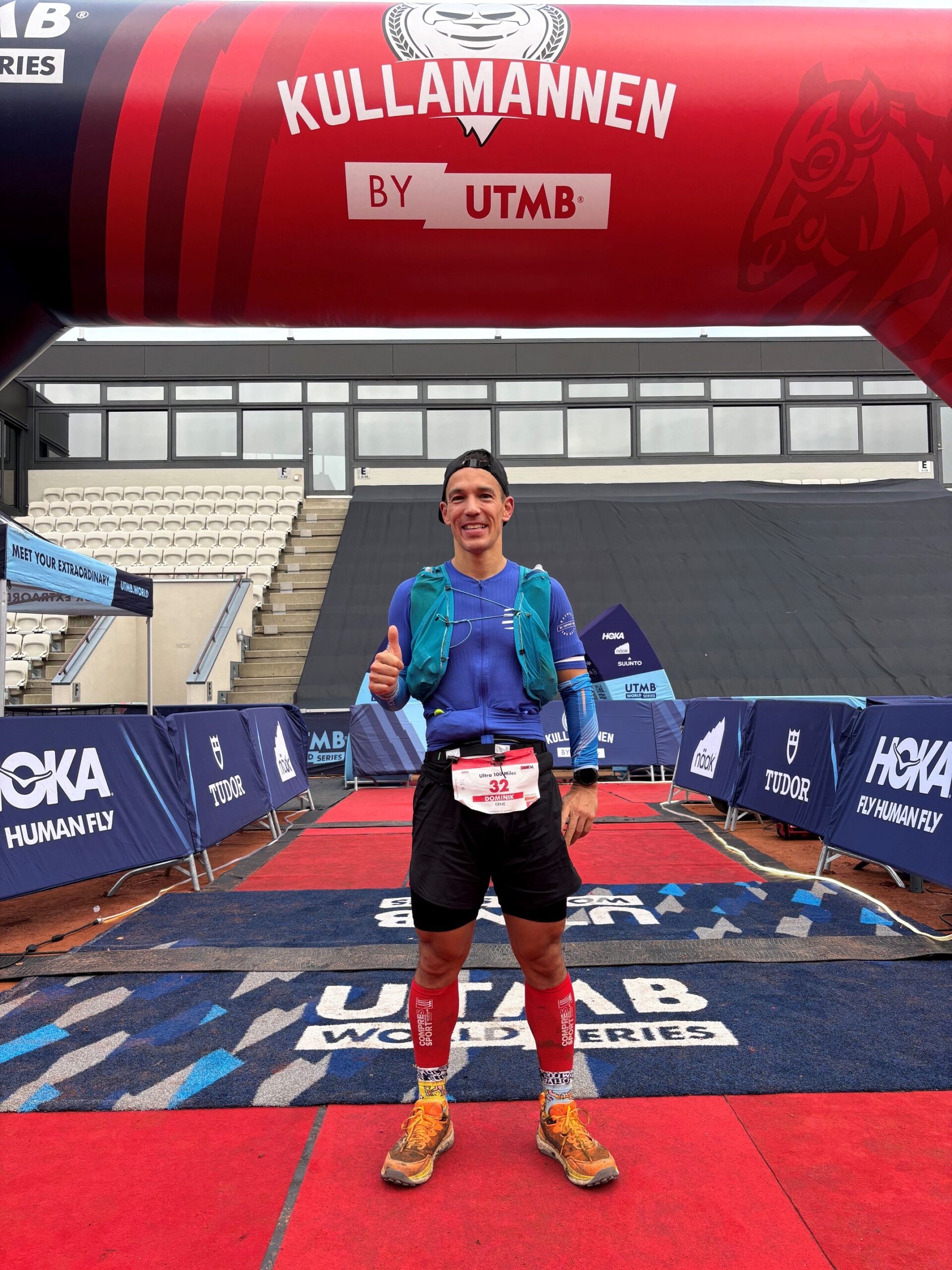
Three years after my first Kullamannen, I came back to Sweden with a very different ambition.
Kullamannen 2026 was my main race of the season: 168 km through the Swedish night, with rough and windy coastal paths, technical climbs and descents, and long runnable sections where speed really matters.
I came with a clear ambition to fight for the podium and secure a direct qualification for UTMB in Chamonix.
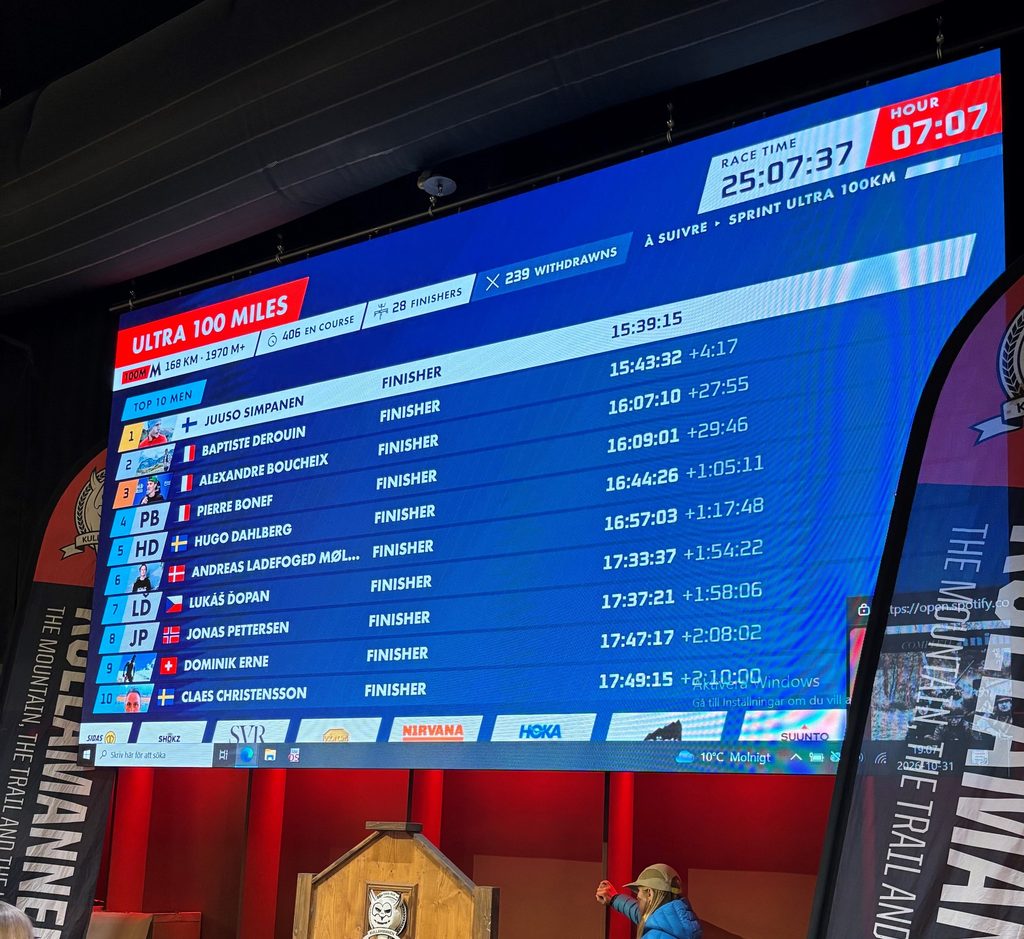
The race went very well for a long time before turning into a much tougher second half. In the end: 17h47, 10th overall, 9th male and 1st M45 – with plenty of learnings and, above all, a mental performance I’m really proud of.
Preparation and ambition
Kullamannen was my A+++ race of the season. I trained very specifically for it for many months and came here with a clear ambition: fight for the overall podium and get a direct qualification for UTMB in Chamonix.
First, some context on the preparation to give you the bigger picture: Kullamannen is almost the perfect race for me. It’s long, it’s fast, and you need both (ultra) road-running speed and trail-running skills.
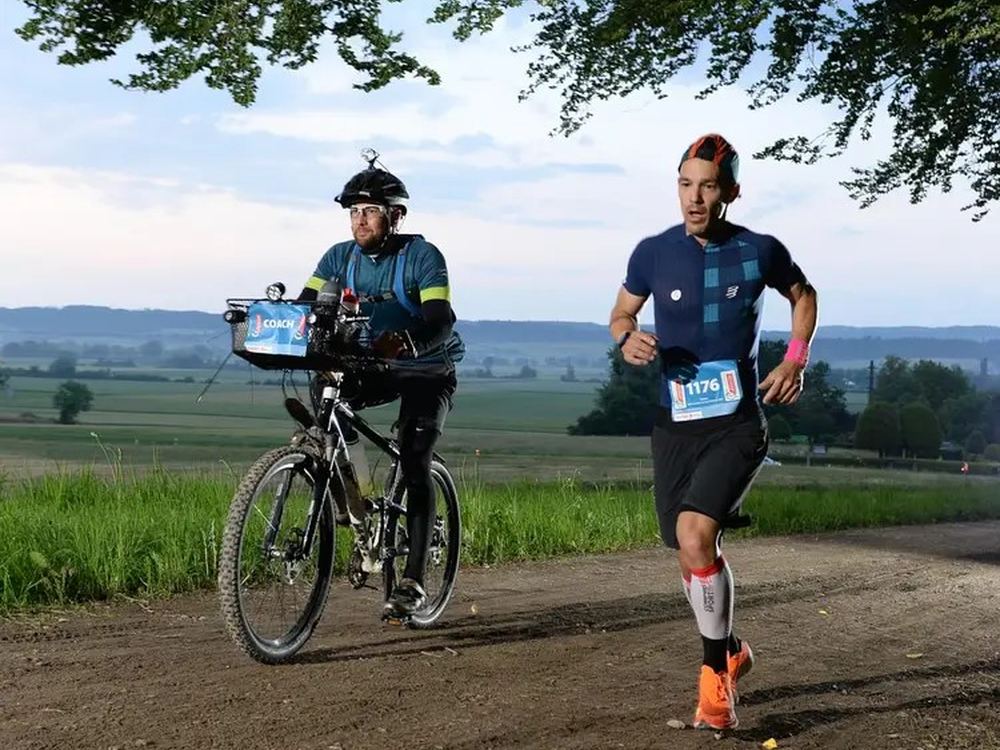
That’s also how I structured my build-up: a 12-hour race in Basel with 140.8 km (1st place), followed by a 169 km ultra-trail in Lapland (2nd place), and finally a marathon-specific block for Berlin, where I ran 2:40 to further improve my speed.
This year, I also left my corporate role to become independent; partly to create more space to focus on ultra-running.
The Race: An emotional & incredible start
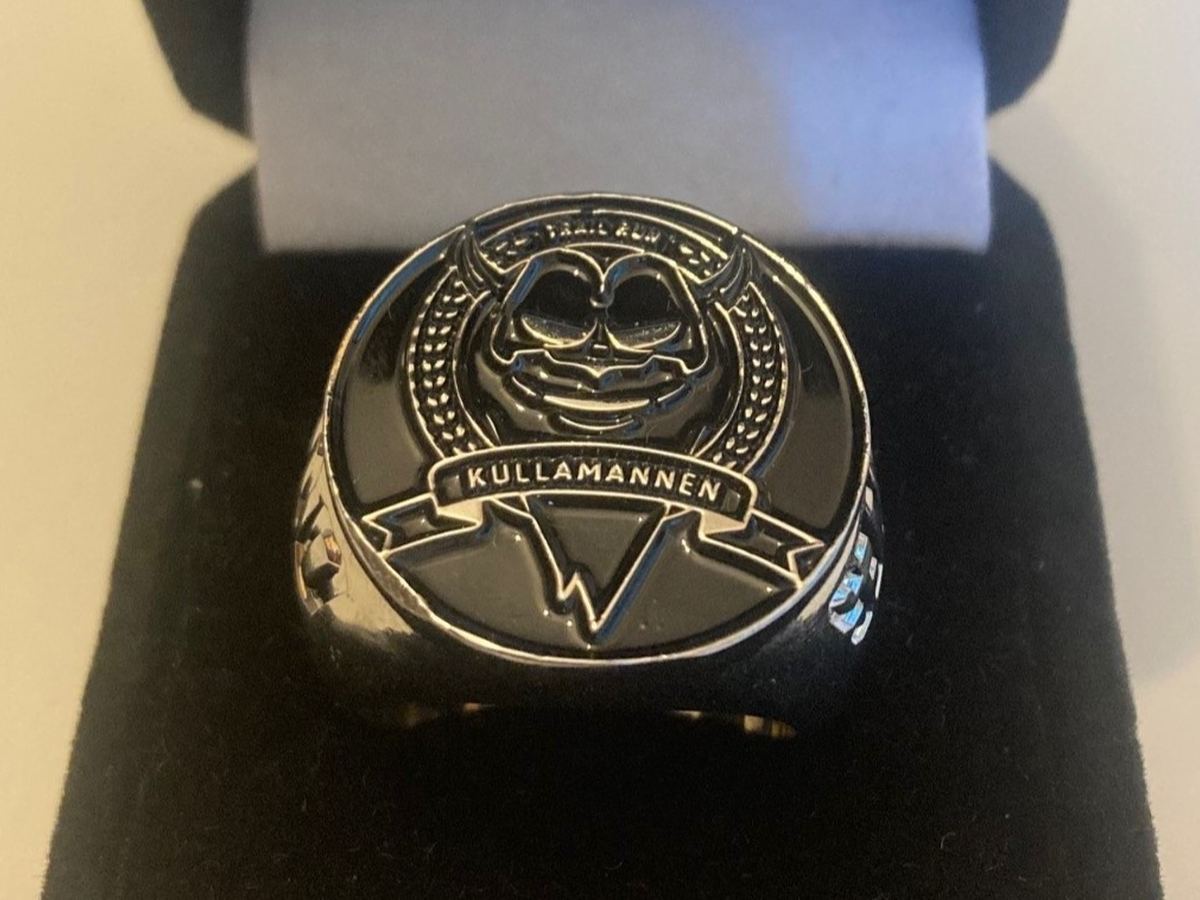
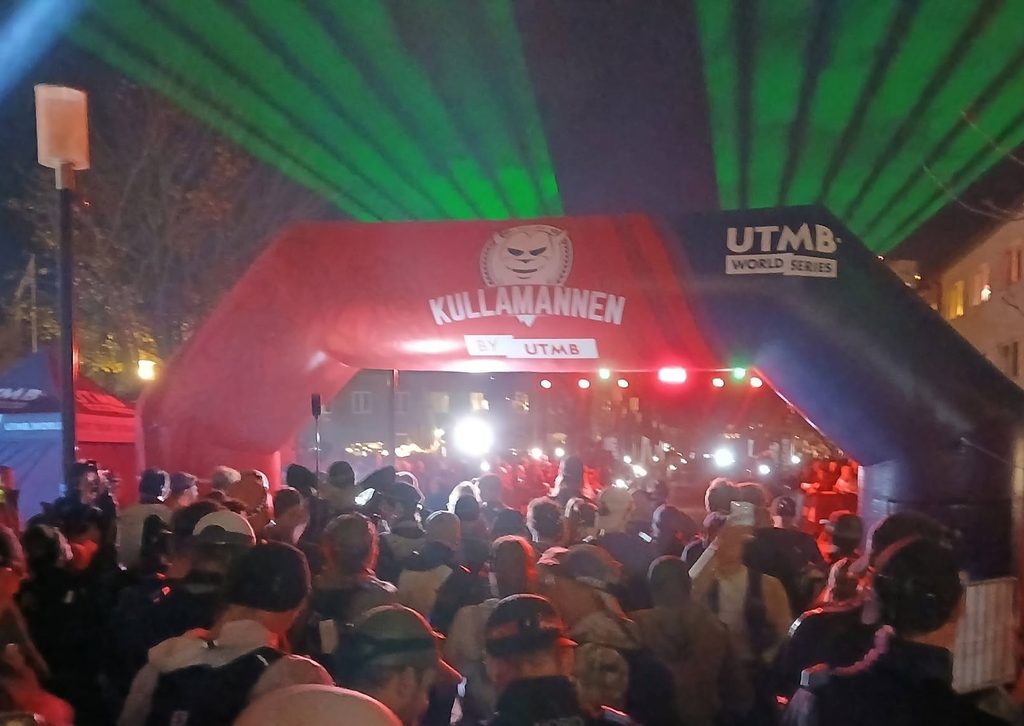
Back to the race: the start was in Höganäs at 18:00. It was quite spectacular, with 673 runners setting off behind the masked knight on horseback, one of the distinctive symbols of Kullamannen, before heading through the town and into the Swedish night.
A fast and controlled start
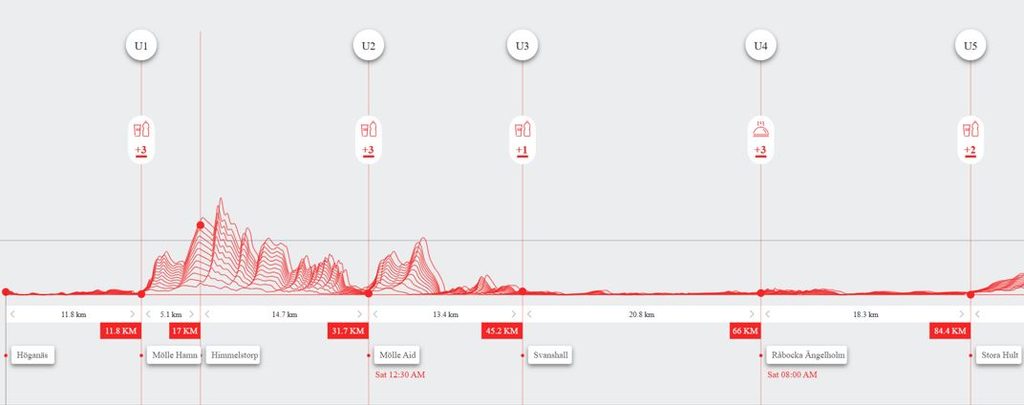
The first 12 km from Höganäs towards Mölle are almost completely flat and very runnable, so the start is naturally quite fast with a 13.27 km/h. I started strong – fast but controlled – and stayed consistently within the first 10–15 runners.
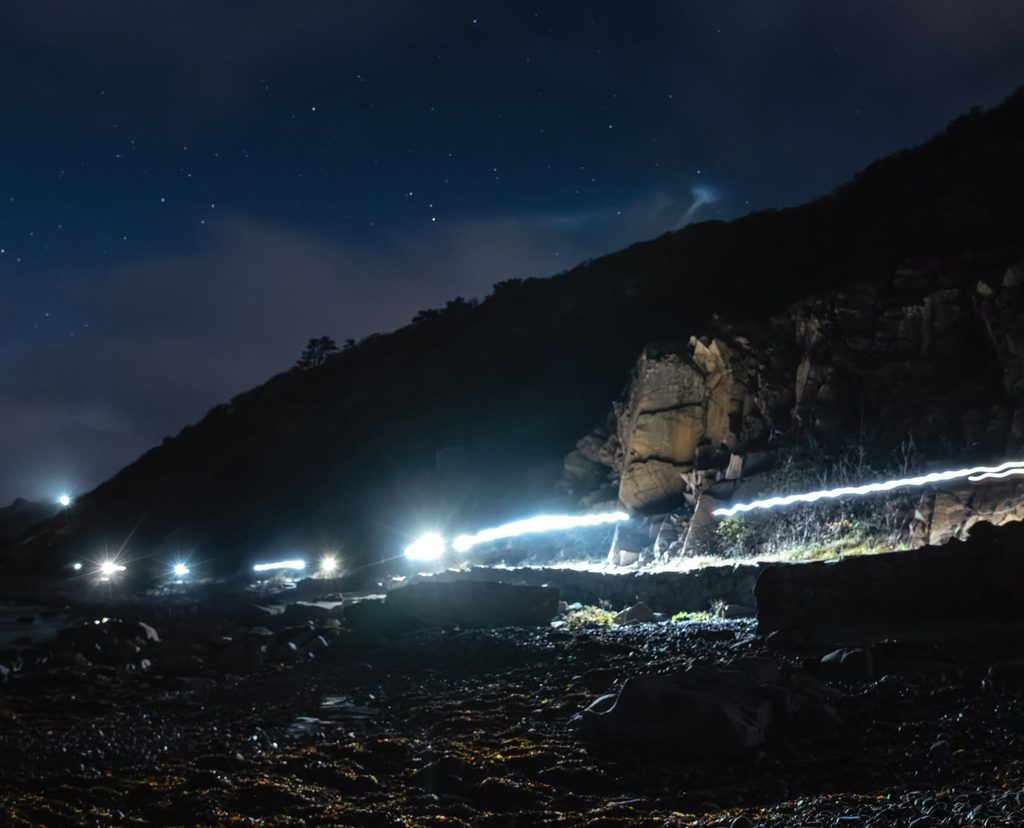
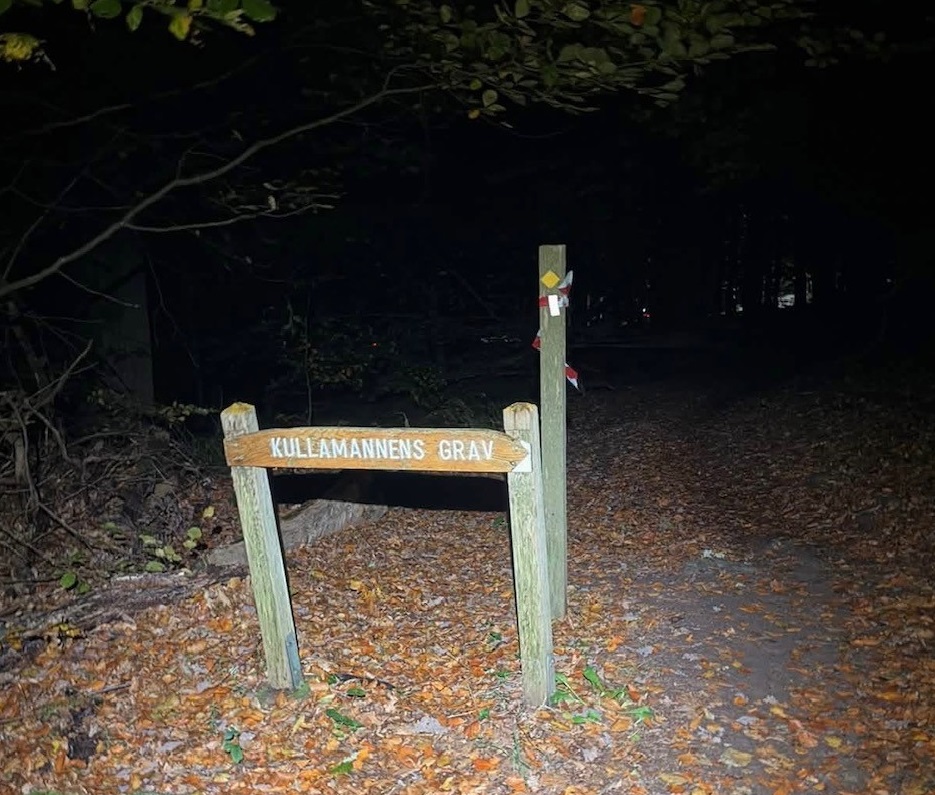
From Mölle, the character of the race changes completely as you enter Kullaberg. The fast opening kilometres give way to more technical singletracks, short but steep climbs and descents, rocks and exposed coastal sections. Kullaberg is also the mythical home of Kullamannen, the legendary figure that gives the race its name, which adds something special to running through this area in complete darkness.
The long, fast runnable section - 40km flat
After Kullaberg, the course becomes much more runnable again, with long sections where speed matters and where I could really settle into my rhythm. That’s the section I had been looking forward to, where I wanted to increase the speed and run around 5:15/km to 5:40/km depending on the terrain. That’s also roughly the pace I was able to hold through much of this section, and it went pretty well.
The first bigger aid station came at Råbocka, around km 66. I stopped for only about two minutes, had some warm soup, refuelled quickly and moved on.
At halfway, around km 84 in Stora Hult, I was still less than 10 minutes behind the podium. It was 7h49 into the race. At that point, 3rd place was held by Alexandre Boucheix / Casquette Verte, who eventually finished 3rd overall in 16:07.
Long, runnable ultras – 170 km and beyond – are one of my strengths and simply what I love doing most. I knew the 2nd half would be tougher, as it is for everyone, and expected to lose around one hour compared with the first half.
I also knew some of the faster runners might blow up later, so I still believed I had a real chance of fighting for a top position.
However, my second half took 2h10 longer than the first.
Where the gap opens up
That’s also why I find it useful to compare my race with other runners. It helps to understand where you were still competitive, where you start to lose time and what you need to improve. The following illustration shows that quite clearly — and where the gap to very strong elite athletes like Alexandre still opens up.
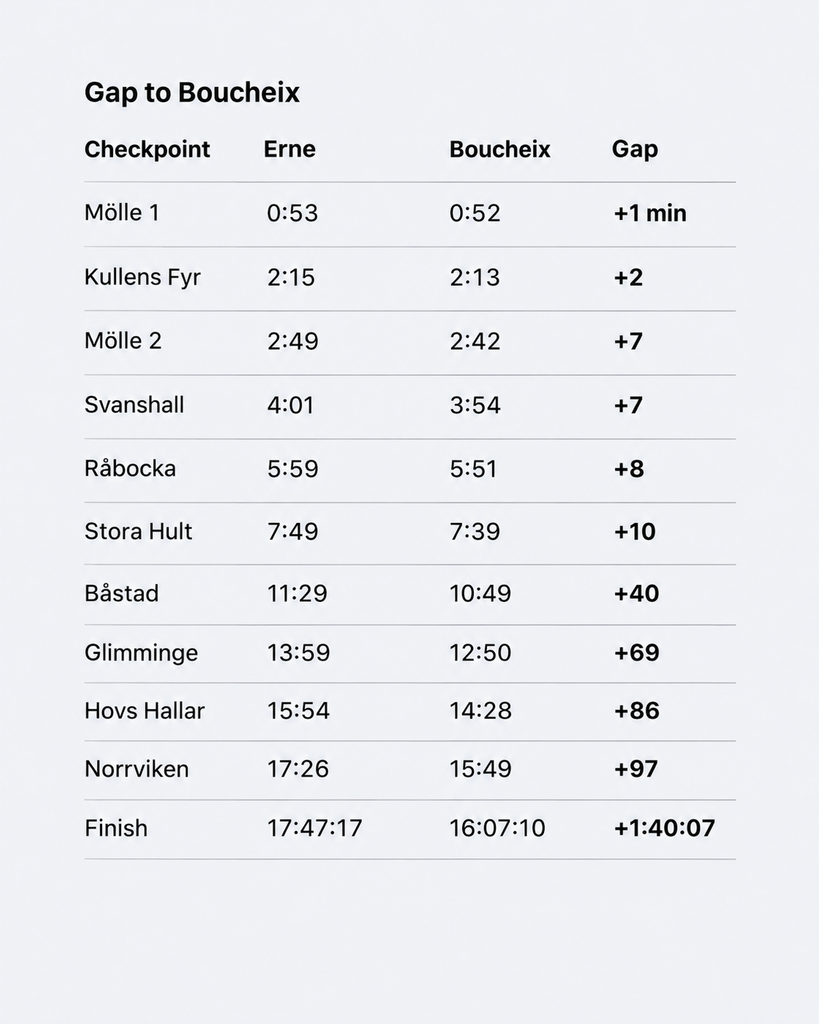
Own illustration
When the race changed
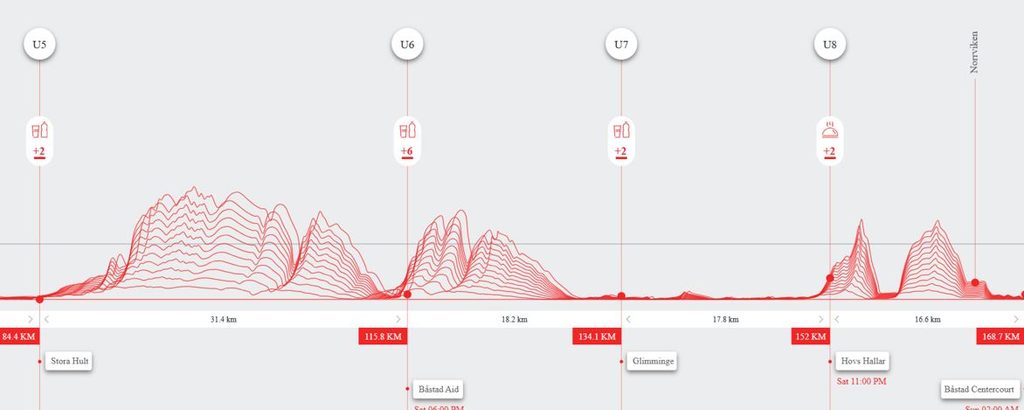
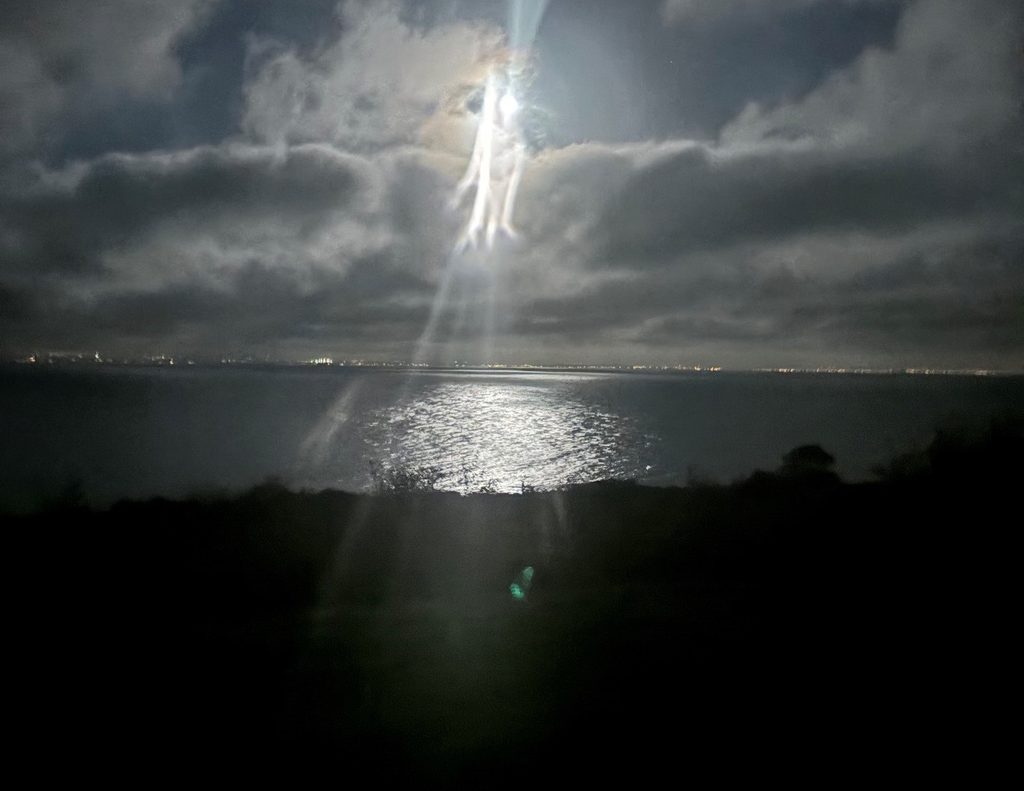
The second half was also much more demanding in terms of terrain. After the long flat section to Stora Hult at km 84, the course became hilly again, with repeated climbs and descents over the next 30 km towards Båstad. There was very little chance to settle into one rhythm for long. And by that time, it was still completely dark.
Around km 93, my legs became brutally heavy. At some moments, they were so painful that I had tears in my eyes.
In these moments, mental strength is crucial. I focused on my breathing. On my steps. Nothing else. The negative thoughts – “you won’t make it”, “you fucked up” – came up, but I let them go immediately. I moved slower through the middle part of the race, but kept believing I could accelerate again once the terrain became more runnable.
Km 115: Båstad - Big Aid Station including Drop Bags Access
At km 115, at 05:29 in the morning after more than 11 hours of racing, I reached the drop-bag station in Båstad. The tricky part is that this checkpoint is located exactly where the finish line is, so you arrive with very heavy legs, tired from the night, and suddenly quitting feels almost too easy. Many runners did, and yes, part of me was thinking about it too.
I didn’t feel good when I arrived and did exactly what I had wanted to avoid before the race: I took a proper break of around 15 minutes. Stupid me 😅 — one of the lessons from 2023 had been to avoid losing too much time at the drop bag. But at that moment, it felt needed. And thus, it's OK.
I ate something, had a warm soup. That was fantastic and immediately helped improve my mood. I also changed my socks, shoes and T-shirt. It gave me a bit of a reset, and most importantly, I got up again and moved on.
Finding the pace again
Leaving Båstad, there was immediately another hilly section, with several climbs and descents before the course finally flattened out again around Glimminge. I was still pretty slow and struggling with the fog, darkness and wet terrain. But mentally, you know that this section will eventually end.
From around km 132 to km 152, the course became much more runnable again, but it was still far from easy. Much of it followed the coast, with rocky sections, uneven ground and several gates and fenced areas where you constantly had to slow down, open and close them, and get back into your rhythm.
Still, this section gave me the opportunity to find a better pace again and run properly, mostly around 6:00/km to 6:45/km.
But Kullamannen was not finished with us yet. Around km 152 came another steep climb and descent around Hovs Hallar, followed by one final significant up-and-down section before the last kilometres towards the finish.
Mentally, I felt much better after Båstad and kept focusing on the same simple cues: breathing, steps, forward. Whenever the terrain allowed it, I tried to make use of the runnable sections.
And after more than 17 hours, I was still able to run at around 4:50/km in the final kilometres and managed to overtake one more runner.
The legs were still hurting, but mentally I never really let go.
The final result
- 17h47 for 168 km (~2,400 m elevation gain)
- 10th overall
- 9th male
- 1st M45
Looking back, even with a near-perfect race, I would not have reached the podium this year – impossible. The level at the front was simply too high.
So yes, I wanted more. But overall, I’m really happy with the performance and especially proud of how I managed the difficult moments mentally. In ultra racing, that matters just as much as the final time or position.
What I take from the race
Plenty of positive takeaways, plenty to learn from, and yeah, I’m grateful for the experience.
For me, Ultra running is a bit like a whole life compressed into one day: there are ups and downs, moments where everything flows and others where nothing feels easy. It teaches patience. You keep moving, you adapt, and progress comes step by step.
That’s also how I see this journey. Not always easy, but definitely worth it.
And the ambition hasn’t changed. If anything, I’m more motivated and committed than ever.
My take? Love what you do. Do what you love. And do your own thing.
A big thank you to:
- Kalsang, my girlfriend, for giving me so much space to live my passion, and for supporting me throughout the race.
- My friends and family, who followed the race from afar and sent so many encouraging messages along the way.
- Sponser Sport Food, for fuelling me with gels, bars and salt tabs throughout my training and racing.
- Fabian Santschi and Orthethic, for the support and the custom orthopaedic insoles that accompany me through so many kilometres of training and racing.
- The Kullamannen organising team and volunteers, for putting together such a unique, demanding and memorable race, and for taking care of us throughout a very long Swedish night.